Introduction to Powered Boating
Motorboats represent the most popular category of recreational vessel, offering unparalleled convenience, accessibility, and versatility on the water. Unlike sailing vessels that rely on wind, motorboats utilize internal combustion or electric marine engines, allowing for predictable travel times and straightforward operation. Whether you are interested in coastal cruising, exploring inland waterways, or simply enjoying a day on the water with family and friends, understanding the fundamentals of motorboats is the first step toward ownership.
What Defines a Motorboat?
At its core, a motorboat is defined by its reliance on an engine for primary propulsion. However, this category encompasses a vast array of designs.
- Hull Styles: The shape of the hull dictates how the boat interacts with the water. Planing hulls are designed to ride on top of the water at higher speeds, while displacement hulls push through the water efficiently at lower speeds. Semi-displacement hulls offer a compromise between the two.
- Engine Configurations: Power can be delivered via outboard motors (mounted on the transom), inboard engines (housed inside the hull), or sterndrives (inboard/outboard hybrids).
- Cockpit Layouts: The open area where passengers sit and the boat is operated. Layouts vary drastically from open center consoles to enclosed pilothouses.
Common Uses and Intended Activities
The appeal of motorboats lies in their adaptability. When considering a motorboat, it is crucial to align the vessel's design with your intended use. Common applications include recreational day cruising, water sports, commuting across bodies of water, and anchoring at secluded bays for swimming and relaxation. Identifying your primary use case will narrow down the optimal size, hull type, and seating arrangements required.
Design and Layout Considerations
A well-designed motorboat maximizes space and comfort. Key considerations include:
- Seating Arrangements: Adequate and secure seating for your typical passenger load is vital for safety and comfort.
- Storage: Marine environments demand dedicated dry storage for safety equipment, personal items, and anchoring gear.
- Weather Protection: Bimini tops, T-tops, or full canvas enclosures provide essential protection from sun and sea spray.
Buying Considerations and Transport
Purchasing a motorboat involves more than selecting a hull. Prospective owners must evaluate transport and storage considerations. Trailerable motorboats offer the flexibility of exploring different waterways and reducing marina fees by storing the boat on land. However, larger vessels may require permanent mooring or dry stack storage. Additionally, understanding the maintenance schedule for the specific engine type and marine environment (saltwater vs. freshwater) is a critical ownership consideration.
Example Inventory
Below are illustrative listings demonstrating typical motorboats you might find in our showroom.
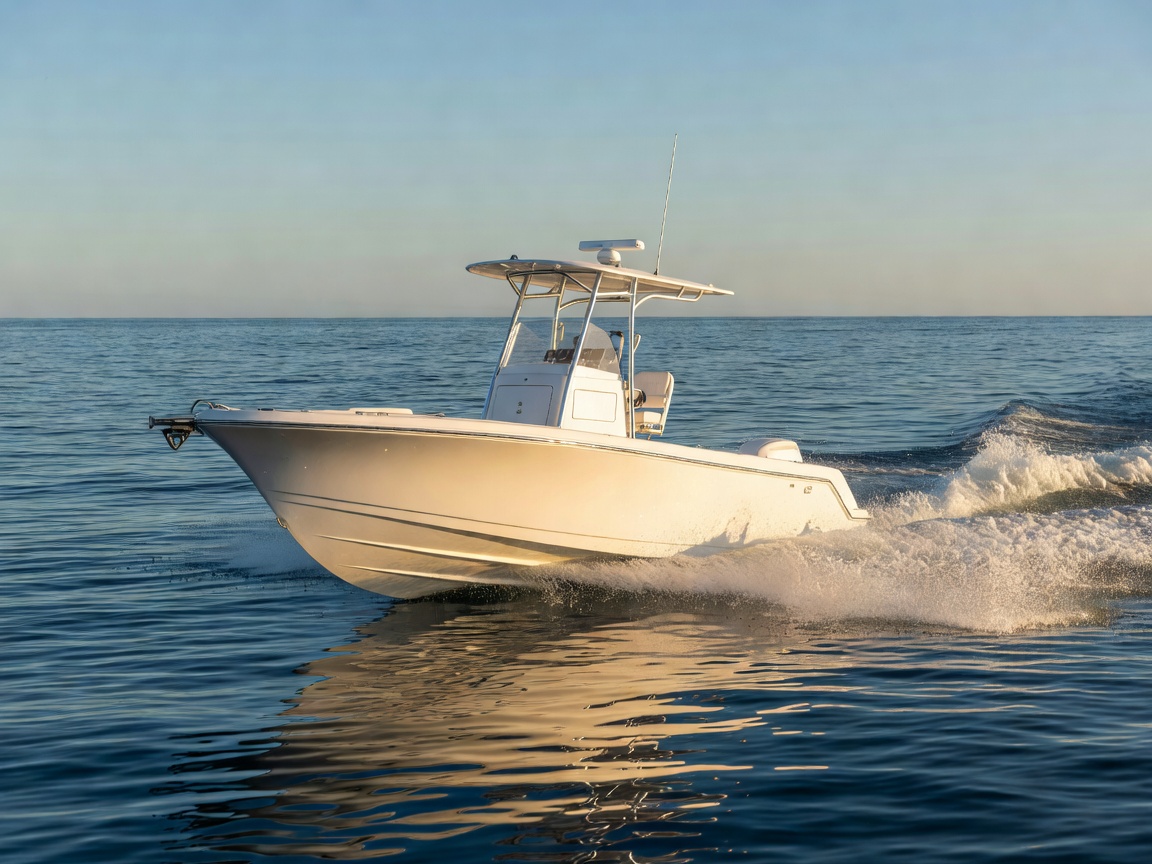
Center Console Model (Illustrative)
A highly versatile open layout ideal for daytime coastal cruising and utility use.
- Layout Center Console
- Hull Type Deep-V Planing
- Intended Use Day Cruising
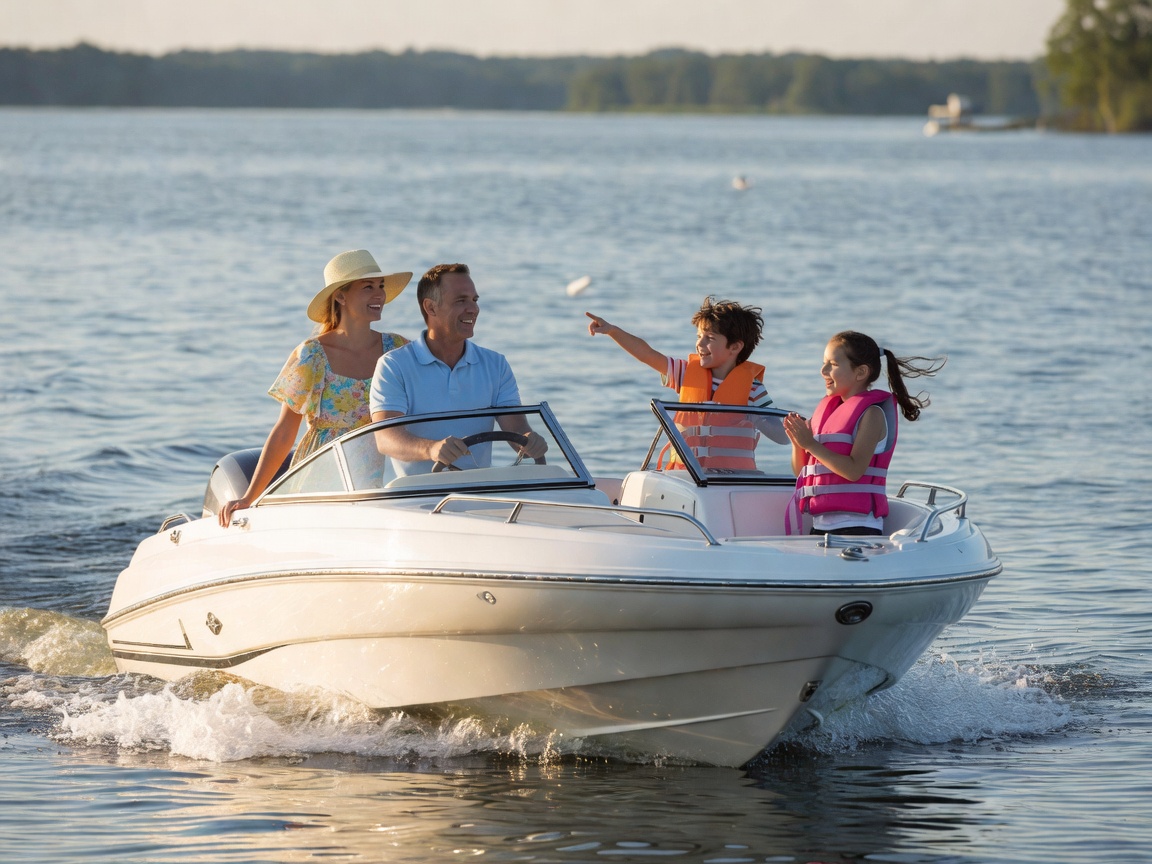
Family Bowrider (Illustrative)
Features forward seating and a protected helm, prioritizing passenger comfort and sociability.
- Layout Bowrider
- Hull Type Modified-V
- Intended Use Recreational