Sailing Fundamentals
Sailing is a rewarding pursuit that connects you directly with the elements. Unlike powered vessels, sailboats utilize the kinetic energy of the wind interacting with sails to generate propulsion. This requires a different skill set, an understanding of wind dynamics, and an appreciation for the journey rather than just the destination. A sailboat offers a peaceful, environmentally conscious way to navigate waterways.
Hull Configuration and Stability
The hull design of a sailboat is crucial for both performance and stability. Because the wind pushing against the sails creates a tipping force (heeling), sailboats require specialized underwater profiles.
- Keelboats: Feature a fixed, heavy appendage beneath the hull that provides ballast to counter heeling and prevents the boat from sliding sideways. Ideal for open water and larger vessels.
- Dinghies and Centerboards: Smaller sailboats often use a retractable board instead of a fixed keel, relying on crew weight for stability. These are excellent for learning and shallow waters.
- Multihulls: Catamarans and trimarans utilize multiple hulls spread wide apart to achieve stability without heavy lead ballast, resulting in faster, flatter sailing.
Rigging and Sail Plans
The rigging (the mast, wires, and ropes) supports the sails (the sail plan). The most common configuration is the sloop, featuring a single mast with a mainsail aft (behind) and a headsail forward. More complex rigs like ketches or yawls divide the sail area across two masts, making them easier to handle for a small crew on larger vessels.
Cockpit and Cabin Arrangements
The living spaces on a sailboat are designed for security and practicality while underway. The cockpit, where the boat is steered, is typically deep and protected. Below deck, cabin arrangements maximize limited space, often featuring secure galleys (kitchens), dedicated navigation stations, and sea berths designed to keep occupants secure while the boat is heeling.
Intended Use and Equipment Considerations
When evaluating sailboats, consider whether your goal is competitive racing, weekend coastal cruising, or extended offshore passages. Cruising sailboats prioritize comfort, storage, and ease of handling, often featuring roller-furling sails. Racing boats prioritize speed and weight reduction. Essential equipment considerations include navigation electronics, safety harnesses, anchoring systems, and auxiliary engine reliability.
Example Inventory
Below are illustrative listings demonstrating typical sailing vessels.
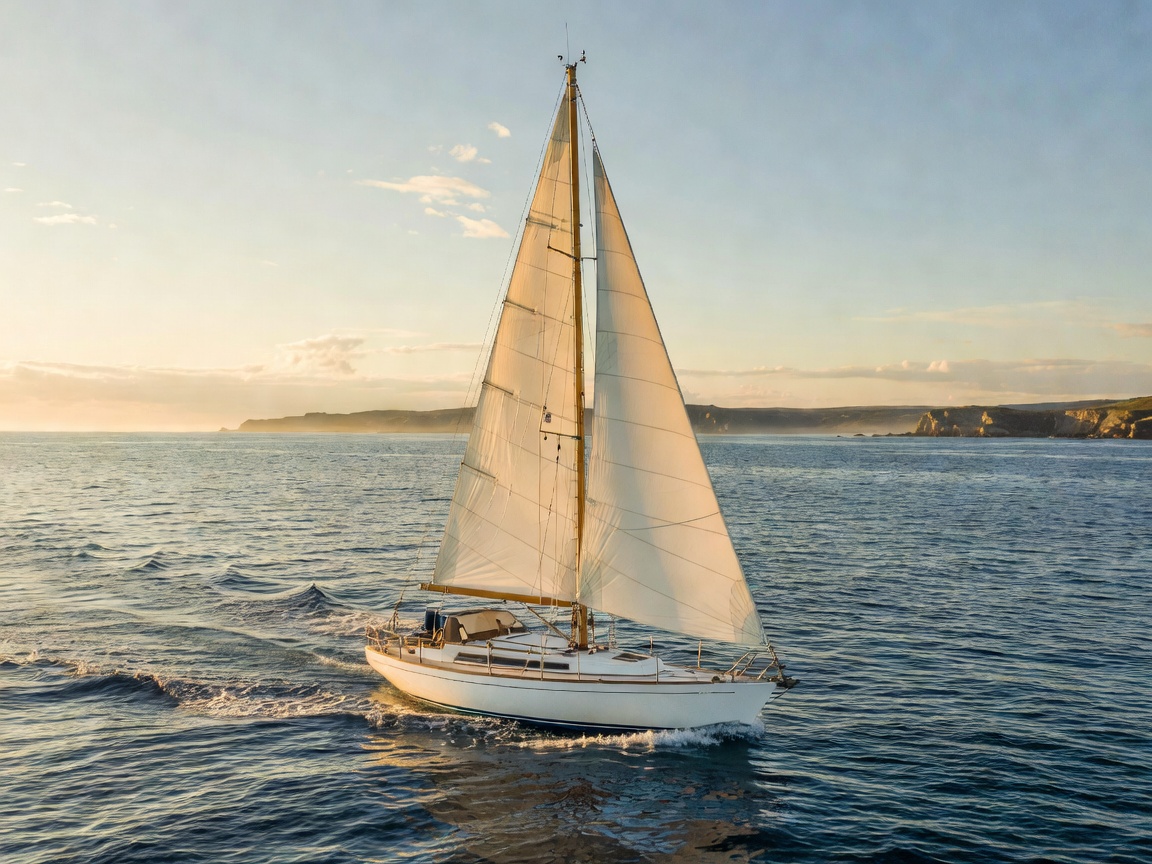
Coastal Cruising Sloop (Illustrative)
A comfortable single-mast vessel designed for weekend trips and easy handling by a small crew.
- Rig Type Sloop
- Hull Type Monohull / Fin Keel
- Intended Use Coastal Cruising